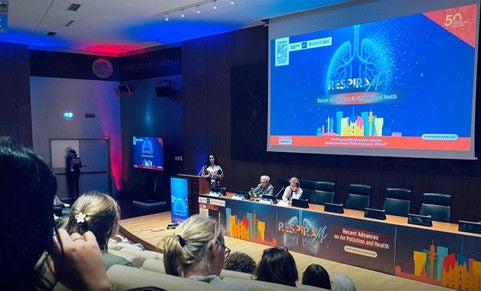
Today we live in a complex environment where multiple factors interact and negatively affect our bodies, explains Professor Del Prato:
● Air pollution:
● Noise pollution: excessive noise disrupts cognitive processes and learning in children and may even accelerate conditions such as dementia and Alzheimer’s disease.
● Light pollution: artificial light at night interferes with circadian rhythms and the sleep–wake cycle. This imbalance can increase the risk of obesity by up to 20% and contribute to diabetes through insulin resistance and oxidative stress.
Alongside public policies, however, there are also practical everyday measures that can help mitigate this “multi-pollution” exposure:
● Sleep hygiene: using blackout sleep masks can help protect endocrine rhythms from streetlight exposure.
● Noise reduction: insulating noisy household appliances or using ear protection can help reduce systemic stress.
● Digital awareness: limiting exposure to bright screens in the evening can reduce sedentary behavior and unhealthy calorie intake among younger people.
“The goal,” concludes Prof. Del Prato, “is to combine scientific knowledge with everyday health.”